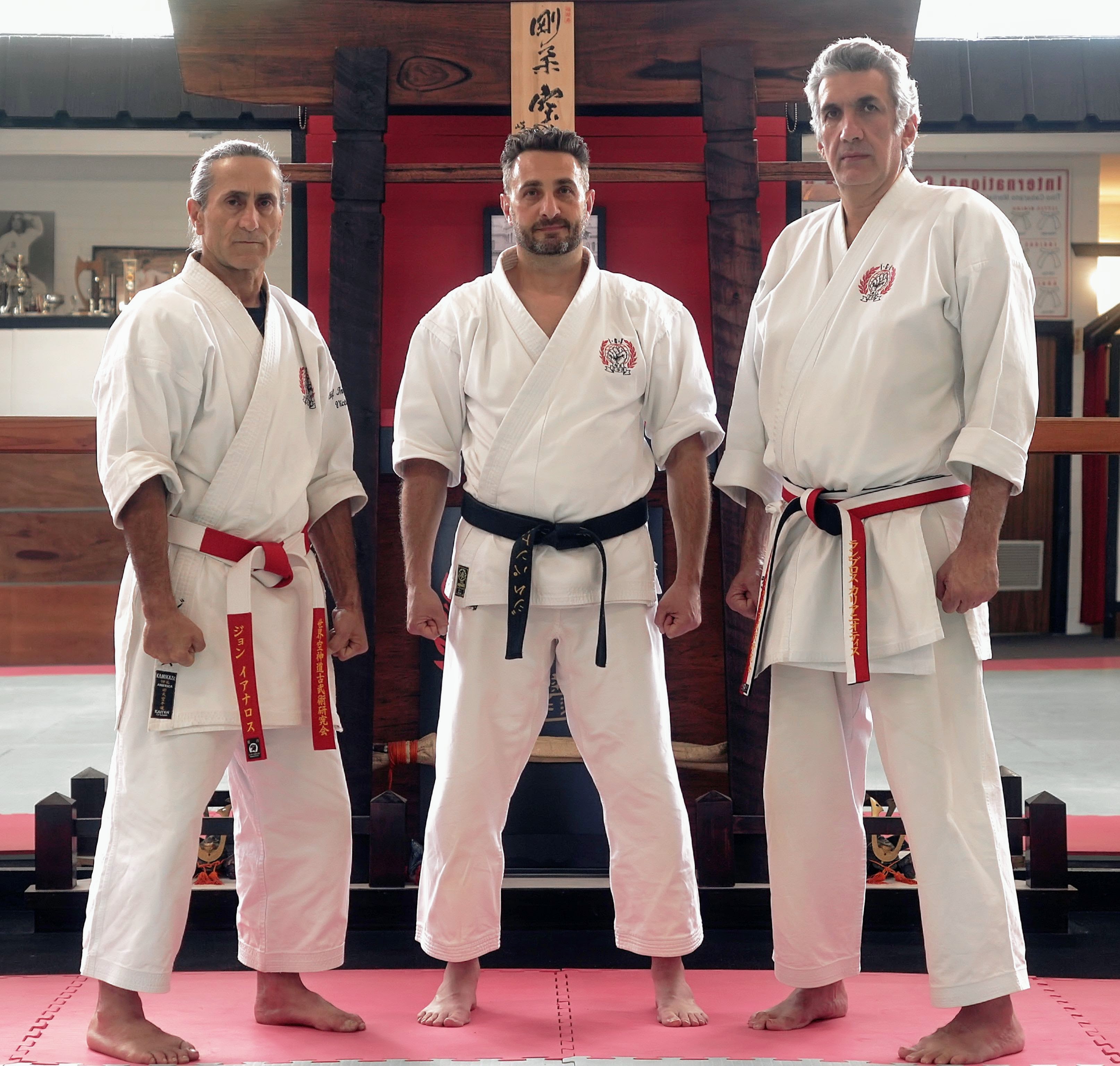

Maintaining fitness, flexibility, and focus
With the dojo taking a short break over summer, it’s a good opportunity to keep the body moving, maintain flexibility, and return to training feeling strong rather than stiff.
A few weeks off doesn’t undo your training—but long periods of inactivity can. The aim over summer isn’t intensity; it’s continuity.
Set simple, realistic goals
Rather than thinking in terms of “training hard,” set small, achievable goals:
- Move every day
- Stretch a little, often
- Maintain basic strength and balance
Consistency matters far more than volume. Ten to twenty minutes most days is enough to maintain conditioning and mobility.
Keep your flexibility
Heat can make stretching feel easier, but it’s also when people sit more, travel more, and lose range. Focus on:
- Hips and groins
- Hamstrings and calves
- Thoracic spine and shoulders
Slow, controlled stretching after a walk, swim, or light training session works best.
Avoid long periods of sitting
Holiday routines often involve long drives, flights, couches, and screens. Prolonged sitting tightens hips, stiffens the spine, and switches off postural muscles.
Break this up by:
- Standing and moving every 30–60 minutes
- Taking short walks
- Doing simple mobility drills during the day
Even a few squats, hip circles, or spinal rotations can make a big difference.
Keep your karate alive
You don’t need a dojo to train karate. Over summer:
- Practice kata slowly and deliberately
- Work on stance transitions and balance
- Shadow kumite with focus on posture and breathing
Mental rehearsal is training too.
Return ready, not rusty
The goal of summer training isn’t to peak—it’s to arrive back at the dojo mobile, conditioned, and injury-free.
Small daily efforts now make the first few weeks back far more enjoyable.
Enjoy the break, stay active, and we’ll see you back on the floor refreshed and ready.
Simple Weekly Summer Routine
Most days (10–20 minutes):
- 5 minutes brisk walking, skipping, or light shadow kumite
- 5–10 minutes stretching (hips, hamstrings, calves, spine)
- 2–3 minutes balance work or stance holding
2–3 times per week:
- Slow kata practice (1–3 kata)
- Bodyweight strength: squats, lunges, push-ups, core work
Daily habit:
- Break up sitting every 30–60 minutes
- Move, stand, stretch—often and gently
Mindset:
- Train to maintain, not exhaust
- Finish feeling better than when you started