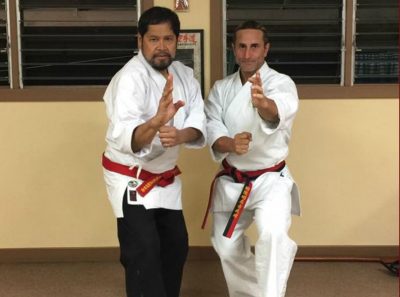

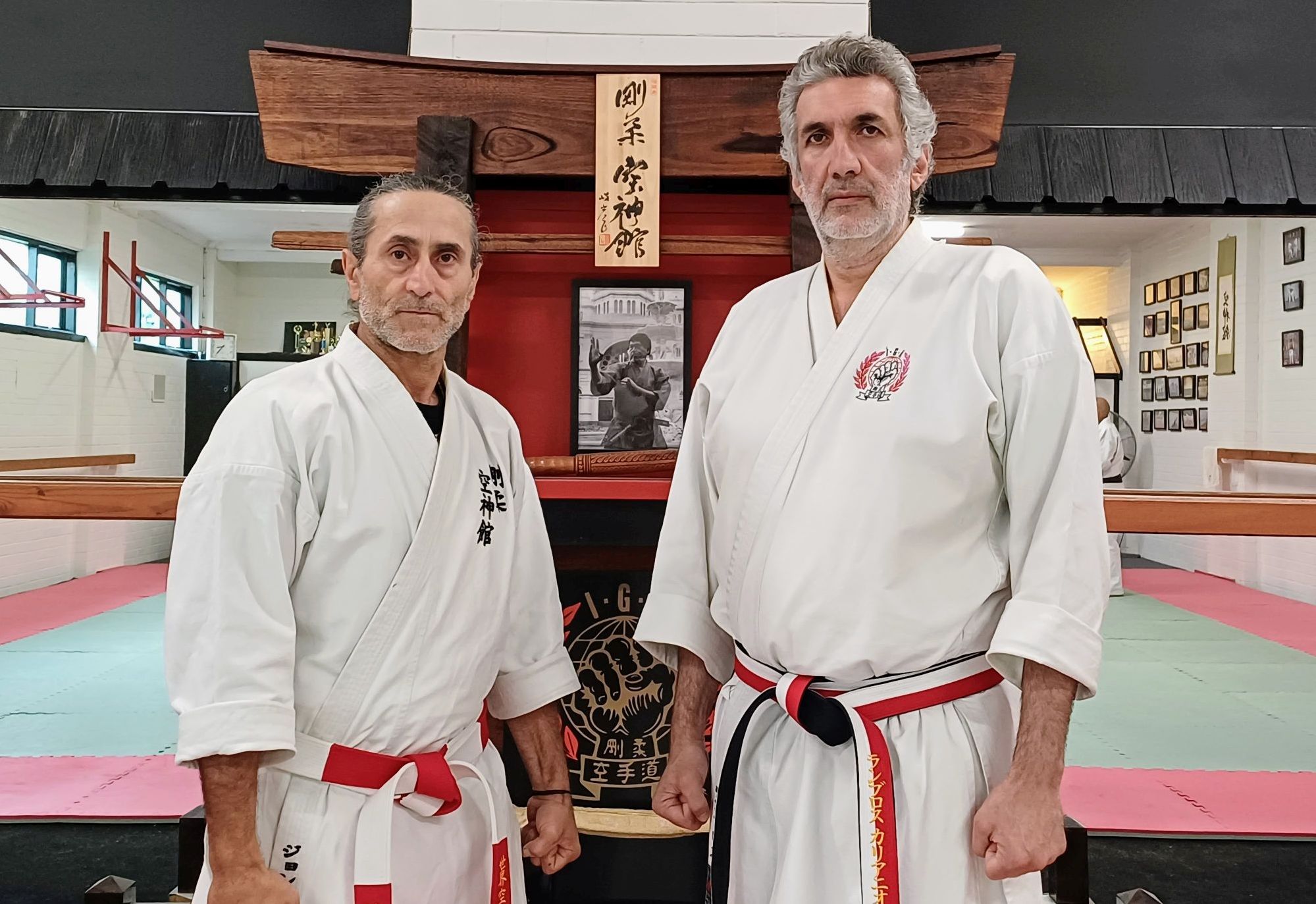
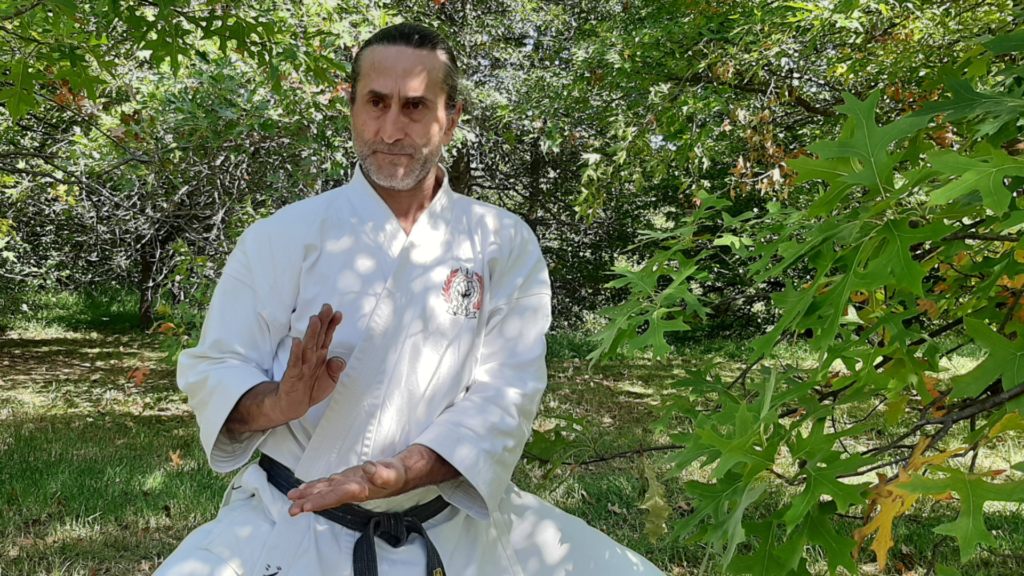
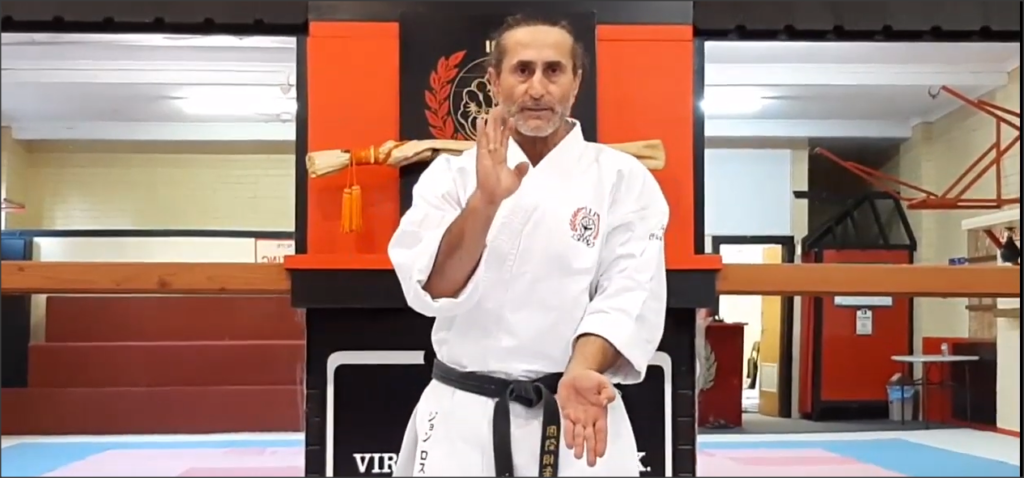
When International Goju Karate Victoria (IGK Victoria) instructor John Ross Kyoshi returned to the dojo only two weeks after hernia surgery, he wasn’t there to demonstrate high kicks or deep lunges.
He couldn’t.
But he still showed up.
Standing carefully, protecting the surgical site, he continued teaching, correcting stances, sharing stories, and guiding students through their training.
It was a quiet reminder of something martial artists eventually learn:
The mind often trains long before the body does.
As John Ross Kyoshi said to the class that night:
“You might not always be able to train the way you want. But you can always train your mind.”
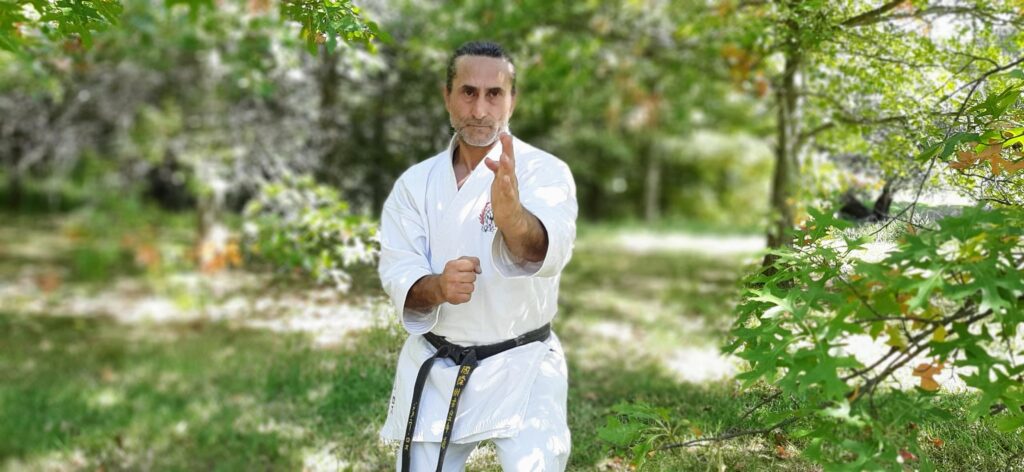
In traditional karate, the mental side of training is just as important as the physical side. Strength, flexibility, and endurance matter, but the real transformation often begins between the ears.
Discipline Over Motivation
Anyone who has trained for years understands a simple truth:
Motivation comes and goes. Discipline remains.
Some days you feel strong and energised. Other days you arrive at training tired from work, family pressures, or life’s general demands.
The difference between short-term enthusiasm and lifelong progress is the habit of simply showing up.
At IGK Victoria, consistency is one of the quiet pillars of training. Students who continue week after week begin to notice something interesting — discipline developed in the dojo starts to influence other parts of life.
Work becomes more focused. Stress becomes easier to manage. Difficult tasks no longer feel overwhelming.
As Lambros Kallianiotis Renshi often reminds students:
“Karate doesn’t just build strong bodies. It builds strong habits.”
Focus: Training the Mind Inside the Body
One of the biggest mistakes beginners make is assuming training is only physical.
They move through techniques, but their minds drift.
In traditional dojo culture, the goal is very different. Every movement carries intention. Every repetition has purpose.
Focus means:
• Thinking about each technique
• Controlling posture and breathing
• Maintaining awareness of balance and structure
Over time, this type of deliberate practice strengthens concentration — a skill that transfers directly into daily life.
Students often notice they can concentrate longer at work or study more effectively simply because their minds have been trained to stay present.
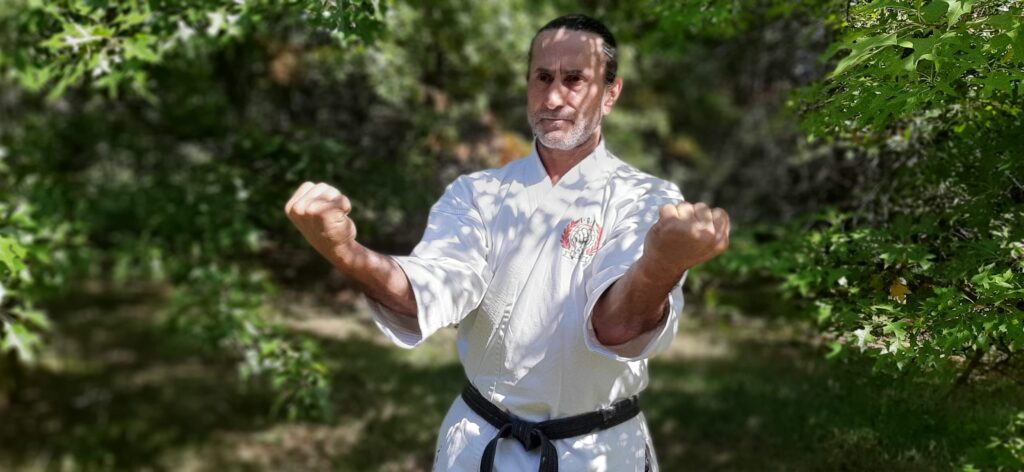
Learning to Stay Calm in Discomfort
Progress rarely happens in comfort.
It happens during the final repetitions of an exercise.
During conditioning when the legs begin to burn.
During a long training session when fatigue appears.
The body sends signals to stop.
Training teaches you how to stay calm anyway.
Karate has always embraced this principle. Controlled stress builds resilience — physically and mentally.
In the dojo, students learn that discomfort is not danger. It is often the gateway to growth.
Consistency Over Time
Modern culture encourages quick results.
Traditional martial arts work differently.
The real benefits of training appear over months and years, not weeks.
Strength improves slowly. Balance becomes more stable. Coordination sharpens. Confidence grows.
What seems like small effort each week becomes powerful when accumulated over time.
John Ross Kyoshi often reminds students:
“Karate is not a sprint. It’s something you practise for life.”
The Power of Self-Talk
Another mental skill developed through training is internal dialogue.
What you say to yourself matters.
When a technique feels difficult, negative thoughts appear easily:
“I can’t do this.”
“This is too hard.”
Experienced martial artists learn to replace those thoughts with something simpler and stronger:
“One more repetition.”
“Stay balanced.”
“Finish the set.”
Small changes in language can shift performance dramatically.
Visualization and Mental Rehearsal
Elite athletes in many sports use visualization before competition.
Karate has quietly used the same principle for decades.
Students imagine the technique before performing it. They picture the movement, the timing, the posture.
This mental rehearsal prepares the nervous system to execute the technique more smoothly.
In kata training, visualization becomes even more powerful — allowing practitioners to imagine opponents, timing, and movement even when training alone.
Emotional Control
Not every training session goes perfectly.
Some days the body feels heavy. Timing is off. Techniques don’t work.
Mental strength means continuing anyway.
Karate develops patience during plateaus and calmness during frustration.
These same emotional skills become invaluable in work, family life, and personal challenges.
Identity: Becoming Someone Who Trains
Perhaps the biggest mental shift happens quietly over time.
At first, people say:
“I’m trying karate.”
Months later the language changes:
“I train.”
The difference is subtle but powerful. Training becomes part of identity rather than a temporary activity.
As Lambros Kallianiotis Renshi explains:
“When training becomes part of who you are, consistency takes care of itself.”
John Ross Kyoshi standing in the dojo after surgery was a powerful example.
The Lesson from the Dojo
He could not perform many techniques that night.
But he could still lead, teach, and inspire.
Because the deeper lesson of martial arts is this:
Physical training builds the body.
Mental training builds the resilience to keep going.
And in many ways, that resilience is the true gift of the dojo.
Train with IGK Victoria
If you are interested in traditional karate training that develops discipline, focus, and resilience, classes are available through International Goju Karate Victoria.
Whether you are a beginner or returning to training after time away, the journey begins the same way it always has.
By stepping through the dojo door and starting.